Why Does My Cat Have Ear Discharge?
Why Does My Cat Have Ear Discharge? Understanding +Discharge Cat Ear Issues in Buford
If you have noticed unusual material coming from your cat’s ears, you are not alone. Ear discharge in cats is a common concern for pet owners across Buford and surrounding communities. Whether it’s waxy buildup, dark debris, or a wet-looking residue, any change in your cat’s ears can be worrying. At Express Vets Buford, we understand how much you care about your cat’s comfort and health. That’s why our veterinary team is here to help you recognize the signs, understand the causes of +discharge cat ear problems, and know when to seek professional care. In this guide, we will explain why ear discharge happens, what symptoms to look for, how we diagnose and treat ear issues, and what you can do at home to keep your cat’s ears healthy all year long. If you are looking for a trusted veterinary clinic for your cat’s ear concerns, you can always find us at 4108 Hamilton Mill Road, Suite 310, Buford, GA 30519.
Recognizing the Signs: Is Your Cat’s Ear Discharge a Problem?
It is not always easy to spot ear issues in cats since they tend to hide discomfort. However, being familiar with the warning signs can help you catch +discharge cat ear problems early and seek help before complications develop. Some cats may shake their heads frequently or scratch at one or both ears. You might notice a foul odor coming from the ear, or see visible debris ranging from yellowish wax to brown, black, or even green discharge. Other symptoms include redness, swelling around the ear, scabs, hair loss near the ear base, or your cat tilting their head to one side. Reluctance to have the area touched, changes in behavior, or signs of pain are also clues that something is amiss.
In some cases, the discharge may be dry and flaky, resembling coffee grounds, while in others it may appear moist or pus-like. Persistent ear discharge can lead to hearing loss or deeper infections if left untreated. If you notice any of these changes in your cat, it is important to monitor them closely and reach out to your veterinarian for guidance. The earlier you address +discharge cat ear concerns, the easier it is to resolve the underlying issue.
Common Causes of +Discharge Cat Ear Problems
Understanding the possible causes of ear discharge can help you make informed decisions about your cat’s care. The most frequent reason for feline ear discharge is ear mites, especially in kittens and outdoor cats. These tiny parasites cause irritation, itching, and a characteristic dark, crumbly discharge. Another common culprit is a bacterial or yeast infection, which can develop when moisture, debris, or allergies disrupt the normal ear environment. Allergic reactions to food or environmental triggers may also lead to inflammation and secondary infections, resulting in discharge.
Foreign bodies like grass seeds, dirt, or even bits of hair can become trapped in the ear canal, causing irritation and secretions. Less commonly, polyps or growths within the ear can obstruct drainage, while trauma or injury might lead to bleeding or pus. In rare cases, more serious conditions such as tumors or immune-mediated diseases can manifest as chronic ear discharge. Understanding the cause is essential for effective treatment, which is why a thorough veterinary evaluation is so important.
If you are concerned about skin or allergy-related causes, our team at Express Vets Buford offers dermatology services for pets to help get to the root of the issue.
How Veterinarians Diagnose and Treat Ear Discharge in Cats
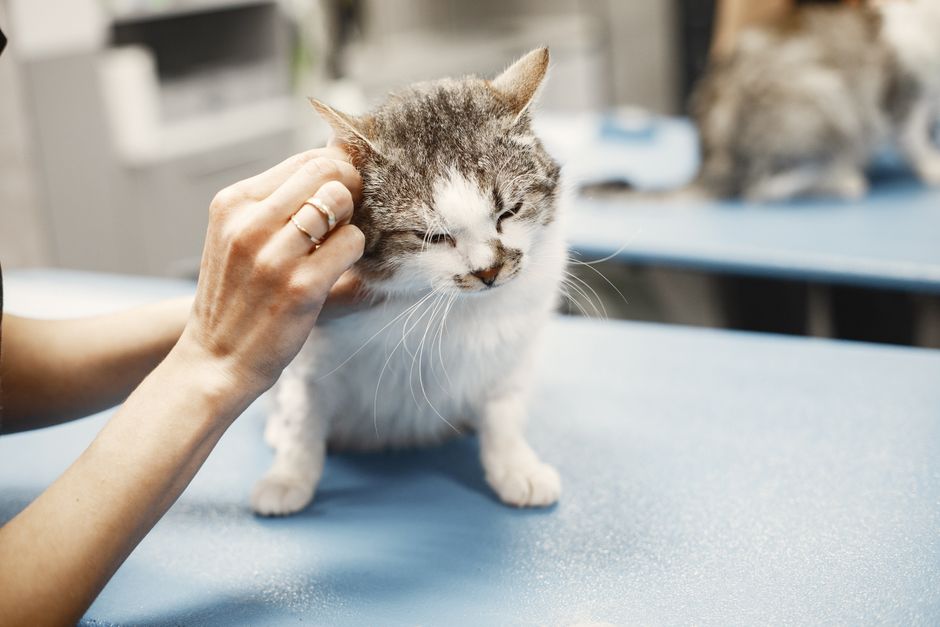
When you bring your cat to Express Vets Buford for +discharge cat ear concerns, our veterinary professionals will start with a gentle, comprehensive ear examination. We use specialized tools to look deep into the ear canal, checking for mites, foreign objects, swelling, or abnormal masses. Your cat’s medical history and your observations at home are also key to making an accurate diagnosis.
Diagnostic approaches often involve examining a sample of the discharge under a microscope, which helps us identify mites, bacteria, or yeast. In some cases, we may recommend additional lab tests or cultures to pinpoint the exact cause. Once we know what is behind your cat’s ear discharge, we can tailor a treatment plan that may include medicated ear drops, oral medications for infection or inflammation, or procedures to remove foreign material. For severe or recurring infections, further tests or allergy management strategies may be necessary.
Treatment approaches depend on the underlying cause. For ear mites, anti-parasitic medications are prescribed, while bacterial or yeast infections often respond well to targeted antibiotics or antifungal medications. If allergies are contributing, we may discuss dietary changes or allergy testing as part of your cat’s long-term care. Our goal is always to relieve discomfort, clear up the discharge, and prevent future episodes. For more information on how we address illness symptoms, visit our sick pet visit services page.
Home Care and Prevention: Protecting Your Cat’s Ear Health
While some factors behind +discharge cat ear problems, such as genetics or underlying medical conditions, are beyond your control, there are practical steps you can take to support your cat’s ear health at home. Regularly check your cat’s ears for signs of redness, swelling, or unusual odor. Gently wipe away visible dirt with a damp cotton ball; never insert cotton swabs or sharp objects into the ear canal, as this can cause injury. If your cat is prone to allergies or ear issues, keeping their environment free of dust and allergens can help reduce flare-ups.
Maintaining a routine of wellness exams is another important preventive measure. During your cat’s wellness examination, our veterinary team will check for early signs of ear problems and guide you on the best home care strategies. For outdoor cats or multi-pet households, regular parasite prevention is crucial, as mites and other pests can easily spread between animals. Addressing skin conditions, managing allergies, and responding quickly to any changes can go a long way toward keeping your cat’s ears healthy.
When to Schedule a Veterinary Visit for Ear Discharge
It is important not to delay if you notice persistent or worsening +discharge cat ear symptoms in your cat. Contact your veterinarian if you observe ongoing discharge, a foul smell, swelling, pain, or if your cat is scratching excessively. Sudden changes in behavior, balance issues, or signs of hearing loss are also reasons to seek a professional evaluation. If your cat has frequent ear infections or the problem does not resolve with basic home care, a thorough veterinary assessment is necessary.
Prompt attention to ear issues can prevent more serious complications such as chronic infection, eardrum rupture, or hearing loss. Our team at Express Vets Buford is committed to providing compassionate, comprehensive care for your cat’s ear health. Conveniently located at 4108 Hamilton Mill Road, Suite 310, Buford, GA 30519, we are here to help you and your cat every step of the way.
Keeping Your Cat’s Ears Healthy: Your Local Partner in Buford
Ear discharge in cats should never be ignored. From ear mites and infections to allergies and foreign bodies, there are many possible causes behind +discharge cat ear concerns. Recognizing early warning signs, seeking veterinary guidance, and maintaining regular checkups are the best ways to keep your cat comfortable and healthy. At Express Vets Buford, our veterinary team offers everything from wellness examinations to advanced diagnostics and dermatology support, all in a friendly, caring environment.
If you are searching for a "vet near me" who truly understands your cat’s needs, we invite you to schedule an appointment with our team. Whether you live in Buford or the surrounding communities, our veterinarians are dedicated to helping your cat feel their best. Call us today at (470) 326-5220 or visit us at 4108 Hamilton Mill Road, Suite 310, Buford, GA 30519 to discuss your concerns about +discharge cat ear symptoms and start your cat on the path to better ear health. If you ever have questions or notice changes in your cat’s ears, remember that timely veterinary care makes all the difference.